Diabetes and Your Skin
06,07,2026 01:05
How Diabetes Affects Your Skin and What You Can Do About It
Diabetes is well known for its impact on blood sugar levels, but many people are surprised to learn that it can also have a significant effect on skin health. In fact, skin problems are often one of the earliest signs of diabetes, and nearly one in three people living with diabetes will experience a skin condition at some point.
The good news is that with proper diabetes management, a consistent skincare routine, and prompt treatment of any wounds or infections, you can protect your skin and reduce the risk of complications.


Why Does Diabetes Affect the Skin?
High blood glucose levels can damage blood vessels and nerves over time. This reduces blood circulation, making it harder for oxygen and nutrients to reach the skin. As a result, the skin may become dry, fragile, and slower to heal.
Diabetes can also weaken the immune system, increasing the risk of bacterial and fungal infections.
Common Skin Problems Associated with Diabetes
1. Dry, Itchy Skin
Dry skin is one of the most common complaints among people with diabetes. Reduced circulation and dehydration caused by high blood sugar can strip the skin of its natural moisture.
Symptoms include:
- Dry or flaky skin
- Persistent itching
- Cracked heels
- Rough patches on the hands, legs, and feet
Without proper care, dry skin can crack, allowing bacteria to enter and cause infection.
2. Slow-Healing Wounds
One of the most serious complications of diabetes is delayed wound healing. Cuts, blisters, and scrapes may take much longer to heal because of reduced blood flow and impaired immune function.
Even minor injuries should never be ignored, particularly on the feet.
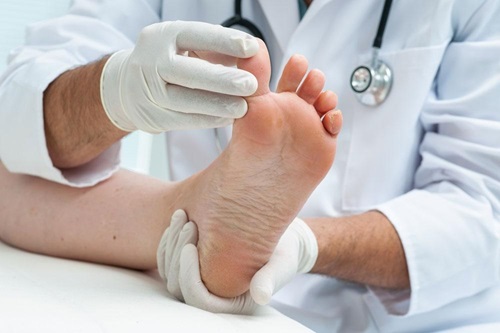
3. Diabetic Foot Problems
Nerve damage (diabetic neuropathy) may reduce sensation in the feet, meaning injuries can go unnoticed. Combined with poor circulation, this significantly increases the risk of:
- Foot ulcers
- Infections
- Pressure injuries
- Serious complications requiring medical treatment
Daily foot checks are one of the most important habits for anyone living with diabetes.
4. Skin Infections
People with diabetes are more prone to bacterial and fungal infections, including:
- Boils
- Infected hair follicles
- Cellulitis
- Fungal infections such as athlete's foot
- Nail infections
These infections may appear more frequently when blood glucose levels are poorly controlled.
5. Thickened or Discoloured Skin
Some people develop areas of thickened, waxy, or darkened skin, particularly around the neck, underarms, elbows, or fingers. These skin changes should be discussed with a healthcare professional, as they may indicate underlying metabolic changes.
How to Protect Your Skin
Fortunately, many diabetes-related skin problems can be prevented with good daily care.
Keep Blood Sugar Under Control
The most effective way to protect your skin is by maintaining healthy blood glucose levels. Good diabetes management improves circulation, supports healing, and lowers the risk of infections.
Moisturise Every Day
Apply a fragrance-free moisturiser after bathing to help restore the skin's natural barrier.
Pay particular attention to:
- Feet
- Legs
- Hands
- Elbows
Avoid applying moisturiser between the toes, as excess moisture can encourage fungal infections.
Inspect Your Skin Daily
Take a few minutes each day to check your body for:
- Cuts
- Blisters
- Redness
- Swelling
- Cracks
- New sores
If you have difficulty seeing the soles of your feet, use a mirror or ask someone to assist.
Practise Good Foot Care
Proper foot care is essential for people living with diabetes.
Remember to:
- Wash feet daily with warm (not hot) water.
- Dry thoroughly, especially between the toes.
- Wear well-fitting footwear.
- Change socks daily.
- Never walk barefoot.
- Trim toenails carefully or seek professional podiatry care if needed.
Treat Wounds Promptly
Even small cuts or blisters deserve immediate attention.
Clean the wound gently, apply an appropriate dressing, and monitor for signs of infection such as redness, swelling, warmth, increasing pain, or discharge.
If a wound is not improving after a few days—or if you notice signs of infection—seek medical advice promptly.
Nutrition and Hydration Matter
Healthy skin starts from within. Eating a balanced diet rich in vitamins, minerals, and protein supports skin repair and wound healing.
Don't forget to drink enough water throughout the day, as proper hydration helps maintain the skin's elasticity and protective barrier.
When Should You See a Healthcare Professional?
Seek medical attention if you notice:
- A wound that isn't healing
- Increasing redness or swelling
- Pus or unpleasant odour
- Fever with a skin infection
- A foot ulcer
- Blackened or discoloured skin
- Persistent itching or unexplained rashes
Early treatment can prevent minor problems from becoming serious complications.
How Health Ladder Australia Can Help
Managing diabetes involves more than monitoring blood sugar—it also means taking care of your skin every day.
At Health Ladder Australia, we offer a wide range of quality healthcare products to support healthy skin and effective wound care, including:
- Moisturisers for dry and fragile skin
- Wound dressings for cuts, blisters, and ulcers
- Medical tapes and fixation products
- Compression therapy products
- Skin protection products
- Foot care essentials
Whether you're caring for yourself or a loved one, having the right products on hand can make managing diabetes easier and help maintain healthy skin for years to come.
Final Thoughts
Diabetes can affect your skin in many ways, but most problems are preventable with consistent care. By managing your blood sugar, keeping your skin clean and moisturised, inspecting your feet daily, and treating wounds promptly, you can greatly reduce your risk of complications.
Healthy skin plays an important role in your overall well-being. With the right daily habits and quality healthcare products, you can continue to live confidently while protecting your skin from the effects of diabetes.
Disclaimer: This article is intended for general educational purposes only and should not replace professional medical advice. If you have diabetes or notice changes to your skin, consult your doctor, diabetes educator, or healthcare professional for personalised advice.