Urinary Incontinence
06,07,2026 12:28

Understanding Urinary Incontinence: Causes, Types and Treatment
Urinary incontinence is a common condition that affects millions of Australians of all ages. While it is more prevalent among older adults, women after childbirth, and men following prostate surgery, it is not an inevitable part of ageing. The good news is that urinary incontinence can often be managed successfully with the right treatment and supportive products, allowing people to maintain an active and confident lifestyle.
6
What is Urinary Incontinence?
Urinary incontinence is the involuntary leakage of urine due to a loss of bladder control. The severity can range from occasionally leaking a few drops when coughing or sneezing to experiencing a sudden, overwhelming urge to urinate that is difficult to control.
Although it can be embarrassing to discuss, urinary incontinence is a medical condition—not something you should simply "put up with." Seeking professional advice is the first step toward finding an effective solution.
Common Causes
Several factors can contribute to urinary incontinence, including:
Weak pelvic floor muscles after pregnancy or childbirth
Age-related changes in bladder function
Menopause and hormonal changes
Enlarged prostate or prostate surgery in men
Obesity
Chronic coughing
Certain neurological conditions, such as stroke or multiple sclerosis
Urinary tract infections
Certain medications that affect bladder function
Identifying the underlying cause is essential for choosing the most appropriate treatment.
Types of Urinary Incontinence
1. Stress Incontinence
This is the most common type, especially among women. Leakage occurs when pressure is placed on the bladder during activities such as:
Coughing
Snezing
Laughing
Exercising
Lifting heavy objects
2. Urge Incontinence
Also known as an overactive bladder, this type causes a sudden, intense urge to urinate followed by involuntary leakage. People may also find themselves needing to use the bathroom frequently, including during the night.
3. Overflow Incontinence
This occurs when the bladder does not empty completely, causing frequent dribbling of urine. It is often associated with enlarged prostate, nerve damage, or weakened bladder muscles.
4. Functional Incontinence
In this case, physical or cognitive limitations prevent someone from reaching the toilet in time, despite having normal bladder control. Arthritis, mobility issues, or dementia may contribute.
5. Mixed Incontinence
Many people experience a combination of stress and urge incontinence, known as mixed incontinence.
Treatment Options
Treatment depends on the type and cause of incontinence and may include one or more of the following:
Lifestyle Changes
Simple lifestyle modifications can significantly improve symptoms:
Maintain a healthy weight
Reduce caffeine and alcohol intake
Stay hydrated
Avoid constipation
Stop smoking
Pelvic Floor Exercises
Strengthening the pelvic floor muscles through regular exercises (often called Kegel exercises) can greatly improve bladder control, particularly for stress incontinence.
Bladder Training
Bladder training helps increase the time between toilet visits by gradually teaching the bladder to hold urine for longer periods.
Medications
For some types of incontinence, healthcare professionals may prescribe medications to relax the bladder or improve bladder function.
Medical Procedures
When conservative treatments are not effective, options such as injections, nerve stimulation, slings, or surgery may be recommended by a specialist.
Managing Daily Life
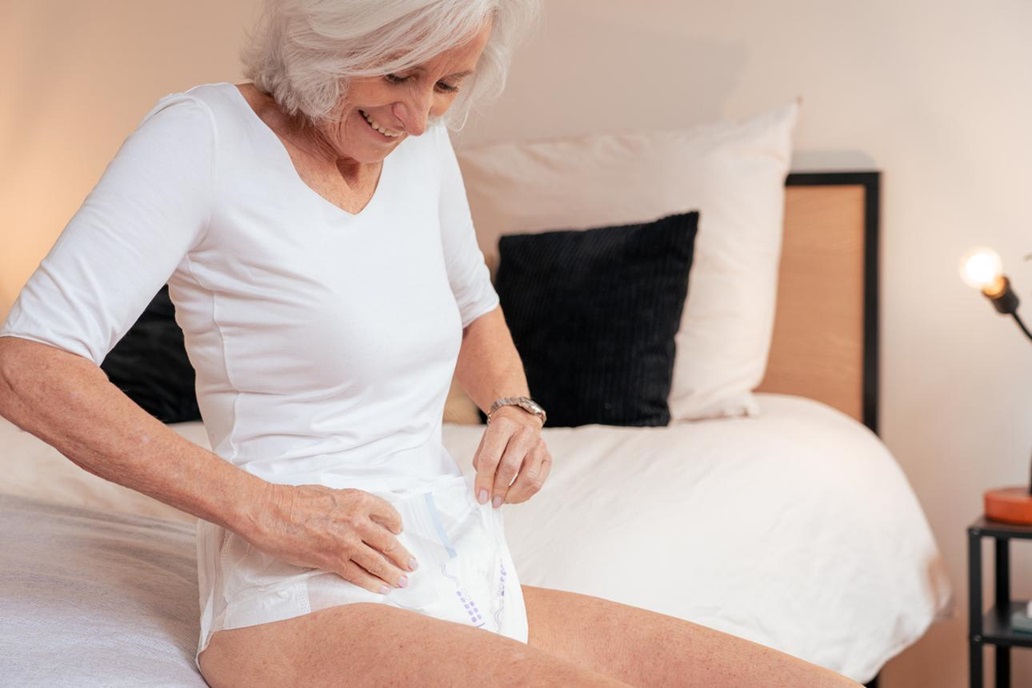
Many people successfully manage urinary incontinence using high-quality continence products. Protective pads, absorbent underwear, waterproof bedding, skin care products, and catheter accessories can provide comfort, dignity, and peace of mind while treatment is ongoing.
Choosing products that offer superior absorbency, comfort, and discretion can make a significant difference to everyday life.
When Should You See a Doctor?
You should consult your healthcare provider if:
Leakage becomes frequent or bothersome
You experience pain or blood when urinating
Symptoms suddenly worsen
Incontinence interferes with your daily activities or quality of life
Early assessment can help identify treatable causes and prevent complications.
Supporting Your Continence Journey
Living with urinary incontinence doesn't have to limit your independence or confidence. With early intervention, appropriate treatment, and reliable continence products, most people can continue enjoying work, travel, exercise, and social activities.
At Health Ladder Australia, we're committed to providing high-quality continence care products that help Australians live comfortably and confidently every day. Whether you're managing temporary bladder weakness or long-term continence needs, our carefully selected range is designed to support your health, dignity, and quality of life.
Disclaimer: This article is intended for general educational purposes only and should not replace professional medical advice. Always consult your doctor or healthcare professional regarding persistent urinary symptoms or concerns.